
We are experiencing a transformation that began with the pandemic but is not limited to it. The way we work has changed, the concept of the office has been redefined, and city preferences have shifted. People no longer choose a city based on their job; instead, they shape their work model according to where they want to live.
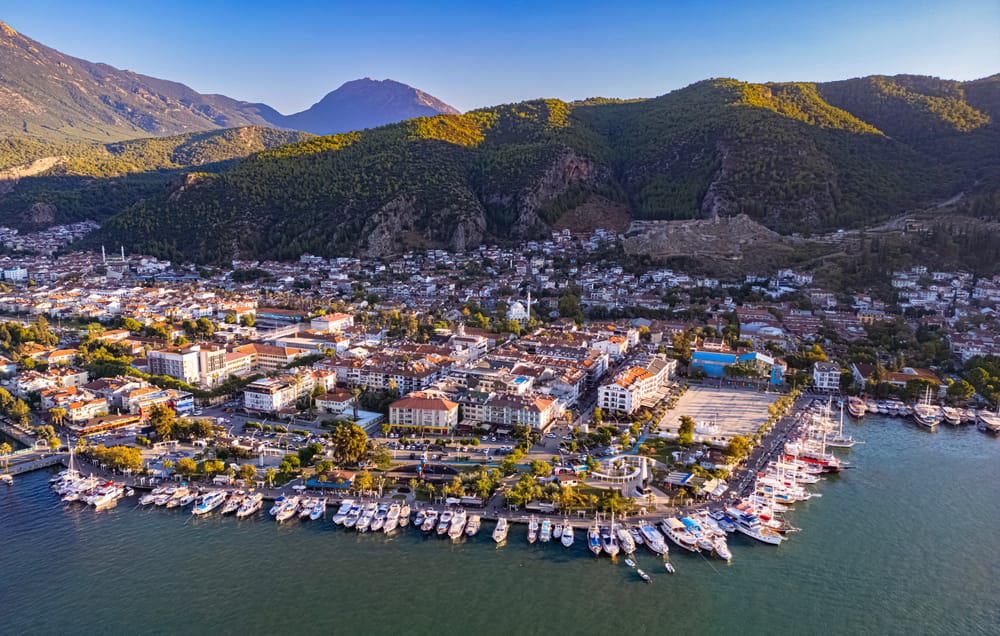
In this new order, the necessity of large metropolitan centers is diminishing, while coastal cities that offer a higher quality of life are gaining prominence. The question “Where is the job done?” is losing importance, replaced by “How and where do I want to live?” It is clear that in the age of remote work, coastal cities are emerging as the biggest winners.
Remote work is no longer a temporary solution; it has become a permanent structure for many industries. From software developers to finance professionals, consultants to e-commerce managers, a wide range of professionals may still earn their income from major cities, but they prefer to build their lives in calmer and more balanced locations. In the past, building a career required being in Istanbul; today, a strong internet connection is enough. This turning point has transformed coastal cities from seasonal holiday destinations into year-round living, producing, and value-generating centers.
At the core of this rise lies quality of life: less traffic, cleaner air, safer neighborhoods, and a more balanced pace. The speed of big cities is no longer a symbol of success for many, but a source of exhaustion. Coastal cities, on the other hand, offer an environment where people can both be productive and truly live. This is not an escape; it is a conscious choice.
The remote work model has also reshaped the concept of housing. A home is no longer just a place to return to in the evening; it has become a space for production. Floor plans with dedicated home offices, villas with gardens, and apartments with spacious terraces are increasingly in demand. Square meters no longer represent prestige; functionality does.
This transformation also brings a psychological shift. For the new generation of professionals, success is no longer measured solely by a higher salary; quality of life has become the priority. People are moving away from crowded urban centers and choosing to establish their lives in calmer, more balanced cities.
Coastal regions were once lively for only a few months of the year, serving primarily as summer destinations. Today, they are evolving into dynamic communities that live and function year-round. Cafés double as workspaces, one room in the house becomes a home office, and meetings take place against a sea view. Life and work are intertwined, but in a far more balanced way.
This new wave of migration includes remote-working professionals aged 30–45, families returning to Turkey from abroad, parents who want to raise their children in nature, and entrepreneurs leaving corporate careers to start their own businesses. This group is not looking for a holiday; they are building a sustainable life.
All of these changes are reflected in the real estate market as well. Demand in coastal cities is now more qualified, long-term, and selective. Buyers look beyond the view; they pay close attention to infrastructure, internet speed, social environment, and architectural quality. The market is becoming more conscious, which in turn highlights high-quality projects.
In conclusion, remote work is not a passing trend but a lasting paradigm shift. This transformation has triggered a quiet yet powerful movement from major urban centers toward coastal cities. The question is no longer where you work, but how you live. And in the years ahead, coastal cities will continue to evolve—not merely as holiday destinations, but as the new centers of modern living.